Equipment Financing as a Growth Lever, If Anyone Will Write the Loan
Physical AI equipment is expensive, the revenue it generates is contracted and predictable, and the financing should be straightforward. Then you call a lender and discover it is not. The problem is that a lender who repossesses a Physical AI deployment is holding hardware that may be worthless without the software brain that stays with the developer. The collateral model that has underwritten equipment loans for a century does not work here, but the gap is solvable, and whoever solves it first does not get a footnote. They get the market.
Every CFO deploying Physical AI at scale will eventually arrive at the same conversation. The equipment is expensive. The revenue it generates is contracted and predictable. The financing should be straightforward.
Then they call a lender and discover it isn't.
The Assumption Every Equipment Loan Is Built On
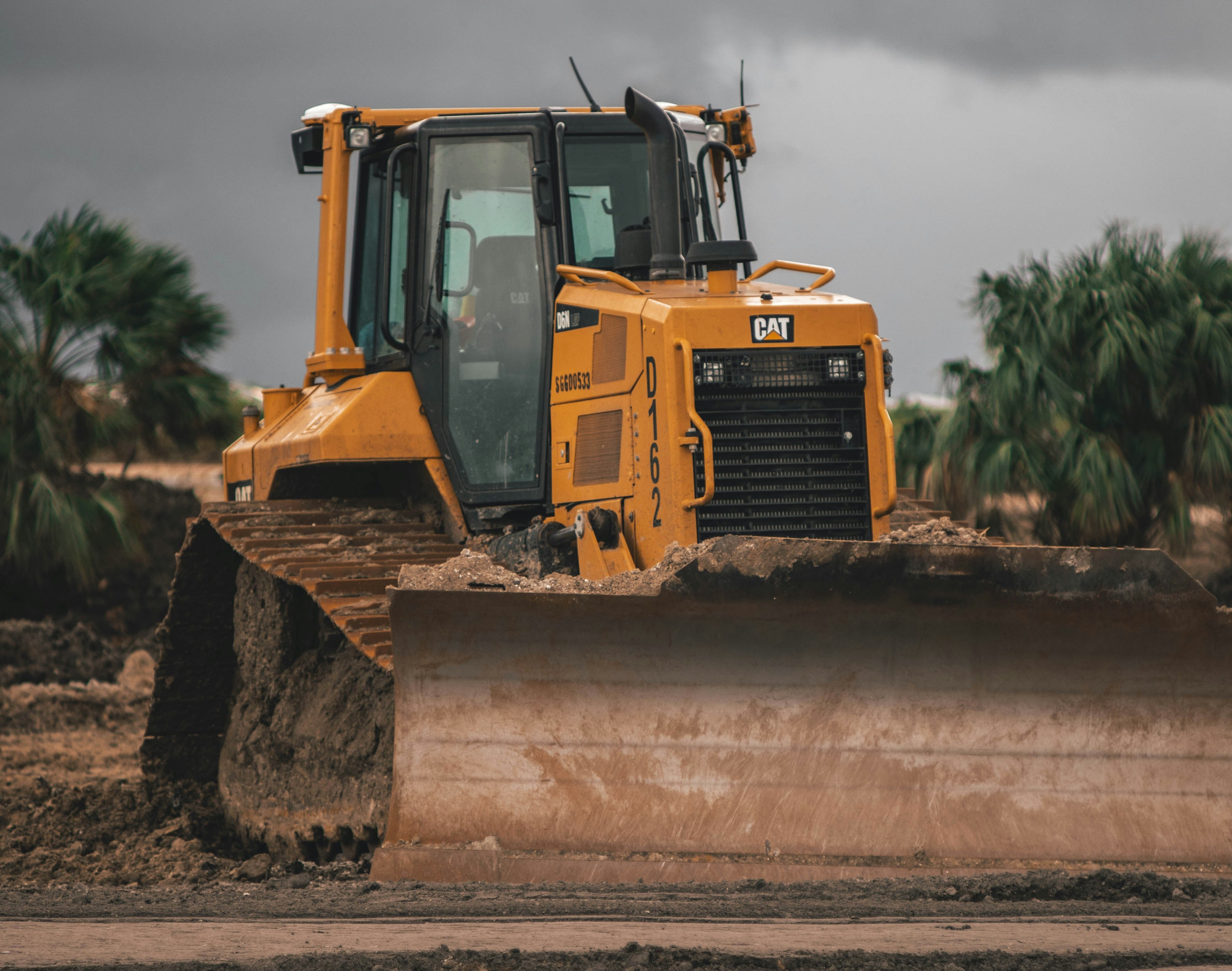
Equipment financing has worked the same way for a century. A lender advances capital against a physical asset, the borrower makes payments, and if something goes wrong, the lender takes the asset back and finds another buyer. A repossessed backhoe goes to the next construction company. A tractor moves from one farm to another. The machine and its usefulness travel together.
That assumption is the foundation of every equipment loan ever written. Physical AI breaks it.
A Physical AI system is not a general-purpose asset. The hardware and the intelligence are separate. The robot arm is the body. The trained model, the integration layer, the operational software, that's the brain. And the brain stays with the original developer. A lender who repossesses a Physical AI deployment is holding hardware that may be, in practical terms, inoperable without a licensing agreement, a software integration project, and a new training pipeline. The pool of buyers who can take that asset and do something productive with it is small. In some cases it is one company: The original manufacturer.
IoT devices ran into a version of this too, they've never been widely equipment financed. But the reason is simpler. A smart sensor costs a few hundred dollars. You don't need a loan to buy one. Physical AI systems are a different order of magnitude. Purpose-built robots and intelligent industrial equipment routinely run into the hundreds of thousands of dollars per unit. At that price point, financing isn't optional, it's the only path to deployment at scale. And the collateral problem that was irrelevant for a cheap IoT device becomes a structural wall.
What the Market Has Tried
The financing activity in AI right now lives in two places, and neither solves this.
The first is venture capital, equity funding the development of Physical AI companies, not the deployment of their equipment. The second is infrastructure financing: GPU-backed loans, data center debt. These work because GPUs are commodities. An H100 is an H100. There is a deep secondary market for standardized compute hardware, and lenders can price against it. A purpose-built Physical AI deployment has no equivalent secondary market. It has one potential buyer, and that buyer may be the person who just defaulted.
Specialty lenders have begun stepping into robotics by underwriting the borrower's cash flow rather than the asset itself. It's a reasonable workaround. It is also closer to unsecured lending than equipment finance, and it doesn't scale (read: prohibitive interest rates and terms) to the capital requirements that Physical AI will generate as companies move from dozens of units to thousands.
The Structure Nobody Has Built Yet
Here is the part worth paying attention to: The collateral problem is real, but it is not a law of physics. It is a structural gap that the market hasn't closed yet.
Physical AI deployments generate contracted, predictable, measurable revenue. The cash flow profile is exactly what lenders want to see. The problem isn't the borrower's ability to repay. The problem is what happens to the asset if they don't. That is a solvable problem.
Manufacturer buyback guarantees give lenders a committed exit on default. Software licensing agreements structured to travel with the hardware in a repossession scenario restore transferability. Fleet-level financing treats a large deployment as a portfolio, spreading residual value risk across enough units that the math starts to work. The auto industry built residual value frameworks decades ago. Aviation financing figured out how to lend against assets that are only valuable when they're flying. The intellectual infrastructure exists.
What doesn't exist yet is the equipment finance company that has applied it to Physical AI.
That company will not be competing for a niche. It will be financing the physical infrastructure of the next industrial era. The lender who figures out the structure first doesn't get a footnote. They get the market.