I'm Tebe Williams. Twenty-five years across SaaS, robotics, connected devices, and Physical AI. Founder, builder, scaler from early stage to exit. Fleets of 20,000+ autonomous devices, running unmanned around the clock. Two high-value exits. I help teams build the operating and financial systems that make connected devices succeed.

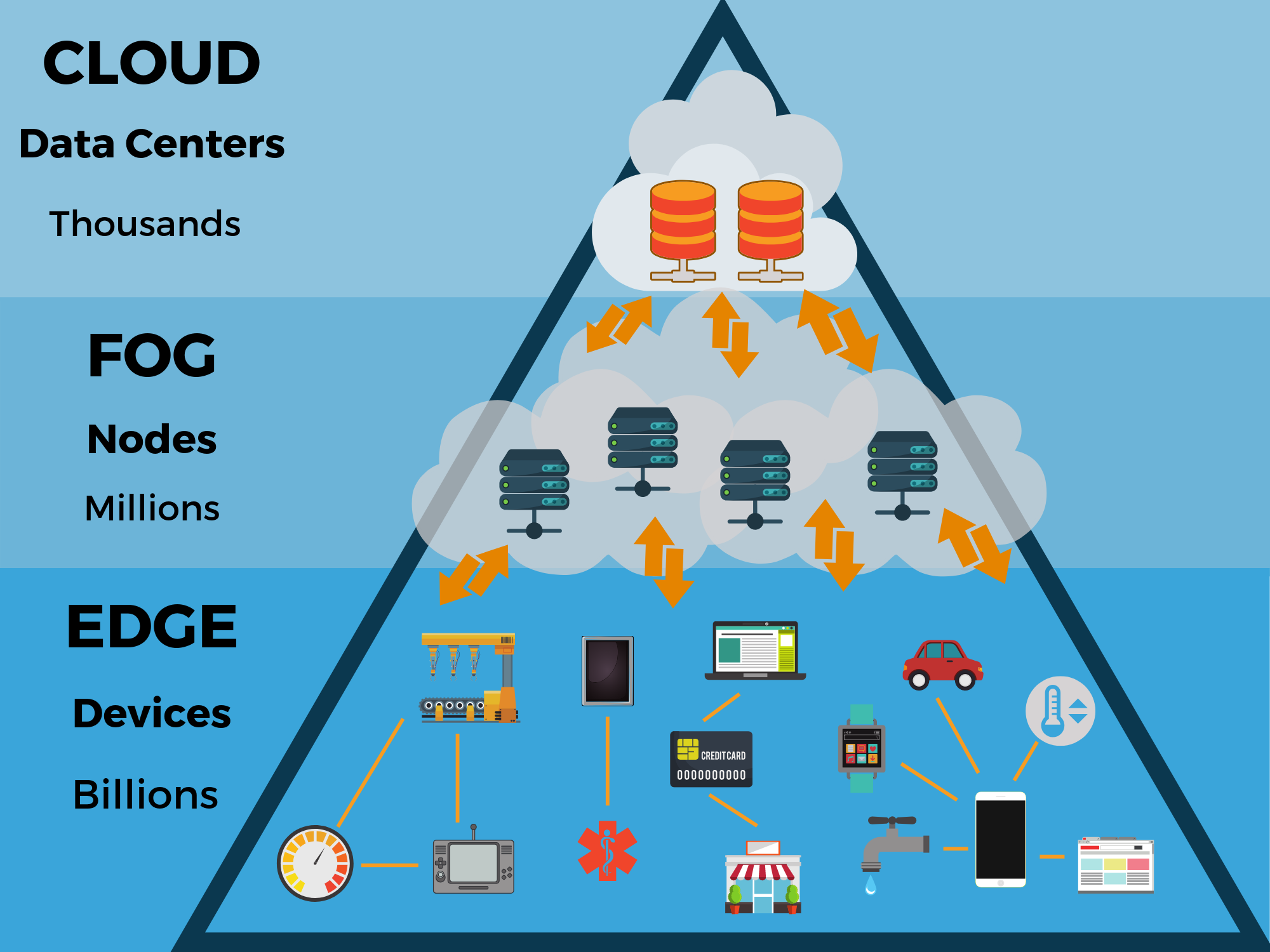
The teams I have led have deployed more than 20,000 kiosks and AI-enabled robots. These are products you have used without noticing, from the grocery store to the hardware store to the country club. I have watched what connects them change from dial-up to the edge of the internet and AI compute in the cloud.
Companies can see what their products could become now: Trading data, making decisions, a more sophisticated version of themselves built on AI. Far less thought goes into what happens after launch. The deployment strategy, the unit economics, and the support systems for both the device and the customer have to rise to the level the product just reached.
I have guided two companies through high-value exits, and I know which systems have to exist to grow, to hold churn near zero, and to keep that value over time. The services around a connected device are treated as secondary. They are the primary ones. If they do not work, the device never will.
20,000 devices running 24/7 with nobody on site. Redundant compute, intermittent connectivity, remote diagnostics. The support system was the product.
Not a retention campaign. The result of a support model designed before the fleet scaled, not after it started failing.
Moved customers from monthly to three-year commitments while revenue grew 600%. Service quality is what made the term possible.
8.3x ARR, the highest multiple the acquirer had ever paid. They credited the attrition profile, not the hardware.
End-to-end experience designing, deploying, and managing robotic and AI-enabled products in edge-of-internet environments with hardware constraints and latency sensitivity.
Architected nationwide deployment of autonomous systems operating 24/7 without field staff. Designed redundant compute, intermittent connectivity solutions, and remote diagnostics.
Designed operating models with predictable unit economics and org structures that absorb minimum 10x growth. Scaled VS Networks from 250 to 20,000+ locations.
Took products from working prototype to volume deployment across kiosk and robotics fleets. Pressure-tested form factor, power, serviceability, and SKU complexity before the production run rather than after.
Built the capital structures, equipment financing, and investor relationships that carried two companies from early stage to acquisition. One sold at an 8.3x revenue multiple, the highest the acquirer had ever paid.
600% revenue growth with under 1% churn. Moved contracts from monthly to 3-year commitments, building the attrition profile that drove record valuations.
A software bug or a late delivery comes with a script. A connected device failing in a customer's hands does not, so design the system that holds uptime and shows them you are already on it.
Your initial model and forecast are built. Now the assumptions underneath need critical depth, across every driver of financial performance from development through scale.
Your prototype has cleared the bar in the field. Before you fund a production run or a new market, find the variables that only show up at scale.
A pilot that will not scale, support costs that will not hold, a board that needs the story. Tell me about your issues and we will talk them through.
Start a Conversation →Somewhere out there a unit has stopped working and a customer is standing in front of it. These are about the company you become once that is a daily event.

Repairing a connected device is two repairs. One for the machine, one for the customer's confidence that it is as good as it was.

The product travels and the playbook travels. The proximity does not, and proximity was doing more work than anyone wrote down.

The team that built the prototype cannot also operate 30 deployments and build the next version. Most Physical AI founders find that out too late to fix it.

The bot looks great in the budget meeting. Here is what that slide did not show you.

Ask what it costs when the system goes down. Then notice that moving compute to the edge hands you a second fleet to keep running.

Every unit in the field reports on itself. Most companies never build the pipeline, then hear about every failure from an angry phone call.
The pitch lands and the model says it works. These are about the costs that show up later, and the ones that show up on the cap table.

SaaS economics work because of what is not on the balance sheet. RaaS does not get that exemption, and the pricing model is a cap-table decision dressed up as a sales decision.

The sales motion is a financial problem first. Most companies staff it like a sales problem and wonder why it stalls.

Physical AI is breaking the foundational logic of equipment lending. The collateral problem is real, but the opportunity on the other side is enormous.

Investors and operators are misclassifying IoT and Physical AI at a rate that will show up in returns and rebuild costs before this decade is over.
Before any of this reaches a customer, there is a stretch where the expensive mistakes are still cheap to fix. These are about that window.

The most expensive mistake in Physical AI is building a product nobody asked for. The simpler version always exists.

The first customer is rarely the right customer. The ones that figure this out early are the ones that scale.

Find a robot that already exists, layer AI on top, ship a product. The companies that tried this are now rebuilding from scratch.

Getting a Physical AI pilot approved is the easy part. Getting out of one is where most companies lose months they never recover.

The contracts are borrowed from SaaS. The insurance is built for hardware. Neither fits. That gap is sitting inside every deployment contract you have signed.
General-audience pieces breaking down what Physical AI is and where it is going.
Get notified when I publish new pieces on Physical AI and what it takes to build it.
Autonomous AI-enabled robotic training system for racquet sports. Volley uses computer vision to map the court, identify the player, and track the ball in real time - making split-second reactive decisions to give players live-play training scenarios on their own time.
Designed the edge computing architecture to run redundant high-processing compute systems within each trainer, with data flowing through intermittent, low-bandwidth cloud connections. Customers don't perceive a difference between Volley and cloud-based AI systems.
In-store digital kiosk network providing interactive sales tools, product catalog touchscreens, and critical data collection for major brands across 20,000+ retail locations nationwide.
Transformed VS Networks from a single-client side business into a diversified, data-centric platform. Built the sales, customer success, tech support, and HR departments from scratch. Drove 600% revenue growth with under 1% customer churn - the attrition profile that buyers directly credited for the record acquisition multiple.
Agritech company specializing in robotic sprayers. After an acquisition failure, took over COO role during a new 18-month sale process to drive performance against acquirer set targets.
Spearheaded a product development turnaround, reducing launch time from 20 to 6 months. Maintained full operations during COVID, exceeding revenue forecasts (125% of target). Led the company through acquisition by Agri-Fab, delivering an 18% IRR to investors.
Outerwall was the holding company for Redbox, Coinstar, ecoATM and several other growth kiosk assets. At the time, OUTR was the most shorted stock on the NASDAQ, given its DVD business. My mandate was driving profit and discovering new revenue opportunities.
Led $150M Coinstar expansion across continental Europe. Acted as early-stage General Manager, overseeing recruitment and product to ensure successful market entry. Directed annual planning, aligning five-year strategic plans across holdings to meet board-approved targets.
Open to conversations about CEO and CFO roles in connected device businesses. Get in touch.
Prefer email? tebe@tebewilliams.ai